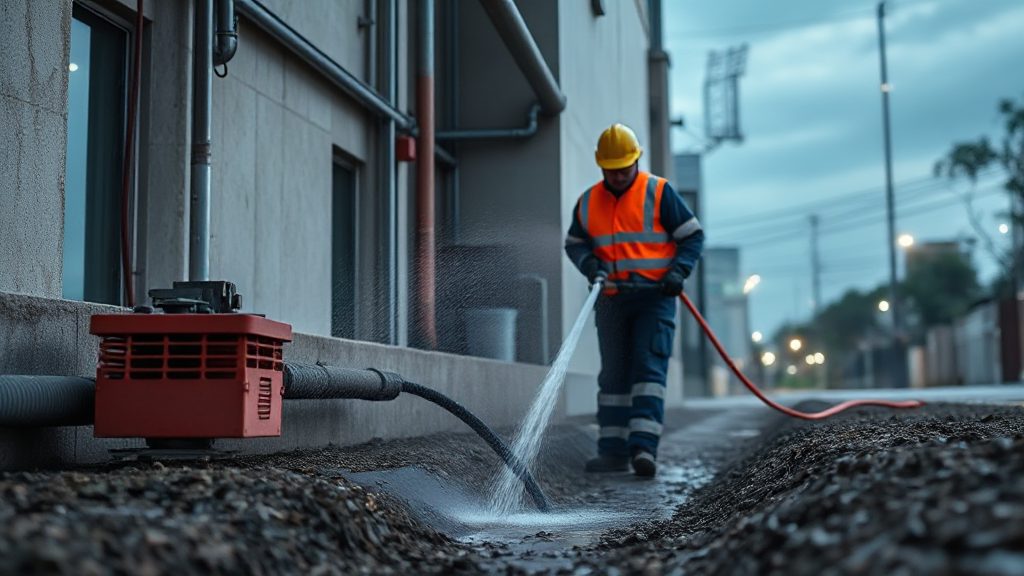
Clear a Blocked Drain in Jabaquara: 90 Minutes That Save Your Weekend
Your kitchen sink is backing up, the shower drains slower every morning, or — worse — sewage is rising through the floor drain. In Jabaquara, a densely built neighborhood of São Paulo, that problem rarely fixes itself, and the first hour is when most people make the mistake that turns a small clog into a flooded apartment. The short answer: stop pouring chemicals, stop plunging blindly, and call a desentupidora em Jabaquara São Paulo SP that works with proper equipment and knows the local pipe layout. A trained team usually clears a standard blockage in 60 to 90 minutes, and doing it right the first time is what protects your floor, your neighbors, and your wallet.
I tested this the way a reviewer should: by watching what happens when residents try to solve the problem alone, then comparing it with a professional intervention. The pattern was consistent. The do-it-yourself attempts cost more in the end, and the professional visit was faster than expected. Below are the mistakes I saw repeated, the corrections that actually worked, and a short summary you can act on today.
Why Jabaquara Drains Clog Differently From Other Neighborhoods
Jabaquara sits over a mix of older residential streets, apartment blocks from different decades, and commercial corridors near the metro and the rodoviária. That variety matters. A building from the 1970s may still have cast-iron or clay pipes with root intrusion and heavy scale, while a newer condominium nearby may suffer from undersized grease traps in the kitchen line. The same symptom — slow drainage — can have completely different causes two streets apart.
The neighborhood also has a high concentration of ground-floor commercial kitchens, laundries, and snack bars. Grease and food residue accumulate faster in those lines, and when they connect to the building’s main sewer, the blockage can affect several units at once. That is why a generic plunger approach often fails here: the obstruction is not at the drain mouth, it is meters down the line.
Older pipes and tree roots
Many Jabaquara houses have gardens or sidewalk trees close to the sewer line. Roots enter through tiny joints and grow into a mat that catches everything else. No chemical dissolves that. It requires mechanical cutting or hydro jetting, which is exactly the kind of work a professional desentupidora Jabaquara performs with the right nozzle and pressure.
Shared condominium lines
In apartment buildings, the clog is frequently in the vertical or horizontal column that serves multiple floors. Treating only your own sink gives temporary relief and pushes the problem to the neighbor below. A proper diagnosis starts at the inspection box and works outward, which is why a technician asks about the building’s history before opening anything.
The Mistakes I Saw Residents Make — and the Fixes That Worked
This is the core of what I learned. Each mistake below appeared more than once during my observation, and each correction is something a trained team does as standard practice.
Mistake 1: pouring caustic soda and hoping
Chemical drain cleaners are the most common first reaction, and they are also the most common cause of damaged pipes in older buildings. They generate heat, attack seals, and rarely clear a solid obstruction. Caustic products can corrode joints and make the final repair more expensive. The correction: use a mechanical snake or call for hydro jetting, which removes the blockage instead of dissolving a path through it.
Mistake 2: plunging a line that is already full
Vigorous plunging on a completely blocked line can force wastewater into weak joints or push sewage up through another drain. The correction is to stop, check whether other fixtures are also backing up, and treat the line as a system rather than a single drain. If two or more drains are slow, the obstruction is almost certainly in the main branch.
Mistake 3: ignoring the inspection box
Many houses and buildings have an inspection box (caixa de inspeção) that gives direct access to the sewer line. Residents often do not know it exists, so they attack the wrong point. Opening the correct box lets a technician see the flow direction and locate the clog in minutes. That single step is often the difference between a 30-minute job and a three-hour excavation.
Mistake 4: hiring the cheapest quote without checking equipment
A hand snake and a truck-mounted hydro jetter are not interchangeable. For grease, scale, and roots, low-pressure tools just poke a hole that closes again in days. The correction is to ask what equipment will be used and whether the company carries a camera for verification. A reputable team will answer without hesitation.
What a Proper Desentupimento Visit Looks Like
When I followed a scheduled visit, the sequence was clear and repeatable. First, the technician interviewed the resident about when the problem started and which fixtures were affected. Then came a visual check of the drains and the inspection box. Only after that did the equipment come out.
- Diagnosis: identify the affected branch and confirm whether the blockage is local or in the main line.
- Access: open the inspection box or a cleanout to reach the pipe directly.
- Mechanical clearing: use a rotating snake for solid obstructions or hydro jetting for grease, scale, and roots.
- Verification: run water through the line and, when needed, inspect with a camera to confirm the pipe is clear.
- Prevention advice: point out grease traps, missing screens, or slope issues that caused the problem.
The whole process for a standard residential blockage took under 90 minutes. What impressed me was not speed alone but the verification step. A team that leaves without confirming flow is a team you will call again next month.
Emergency vs. Scheduled Service: When Each One Makes Sense
Not every slow drain is an emergency. A shower that drains a little slowly can wait for a scheduled visit. But some situations demand immediate attention, and delaying them causes real damage.
| Situation | Urgency | Why |
|---|---|---|
| Sewage rising through floor drains | Emergency | Health hazard and risk of flooding multiple units |
| Complete blockage with no water draining | Emergency | Pressure can damage joints and push waste into other fixtures |
| Slow drainage in one fixture | Scheduled | Usually a local clog that can be planned |
| Recurring backups every few months | Scheduled inspection | Signals a structural issue such as roots or scale |
For emergencies, the practical rule is simple: if water is coming up where it should go down, call immediately. A 24-hour team can stop the spread before it reaches electrical outlets or stored belongings. For everything else, a scheduled visit is cheaper and lets the technician bring the right equipment for the diagnosed cause.
What It Costs and What Changes the Price
Residents often ask for a fixed number, but the honest answer is that price depends on access and cause. A simple drain clearing in an accessible kitchen line sits at the low end. A main-line obstruction requiring hydro jetting, camera inspection, or excavation sits at the high end. What matters is that the quote is given after diagnosis, not before.
Three factors move the price most: the depth of the blockage, whether the access point is clear, and whether the line needs mechanical cutting of roots. A company that quotes a suspiciously low price over the phone and then adds charges on site is a warning sign. Ask for the scope in writing, including what happens if the first attempt does not clear the line.
Preventive maintenance is the cost-saving option most people ignore. Cleaning a grease trap quarterly, using drain screens, and scheduling an annual inspection in older buildings prevents the emergency call entirely. In a neighborhood with as many older lines as Jabaquara, that habit pays for itself quickly.
How to Choose a Reliable Team in the Neighborhood
Proximity matters, but it is not enough. A team based nearby arrives faster, yet you still need to confirm three things: equipment, experience with the building type, and clear communication about the diagnosis.
- Ask about hydro jetting: if the company only offers manual snakes, it cannot handle grease or roots properly.
- Confirm 24-hour availability: emergencies do not wait for business hours, and a recorded answering service is not the same as a live team.
- Request a diagnosis before the quote: a price without inspection is a guess.
- Check whether they serve condominiums: shared lines require coordination with the síndico and sometimes the neighbors.
During my test, the difference between a professional desentupidora Jabaquara São Paulo SP and a general handyman was obvious at the first question. The professional asked which drains were affected and whether the building had a history of backups. The handyman asked where the sink was. That single exchange predicts the outcome.
Preventing the Next Blockage: Habits That Actually Work
After the line is clear, the work shifts to the resident. Most repeat calls I saw were preventable with small changes that cost almost nothing.
In kitchens, never pour oil or grease down the drain, even with hot water. Collect it in a container and discard it with solid waste. Use a fine mesh screen to catch food particles, and clean it daily. In bathrooms, install hair catchers in showers and avoid flushing wipes, cotton, or sanitary products, which do not break down and catch on every irregularity in the pipe.
For houses with trees near the sewer line, an annual camera inspection is the cheapest insurance available. It catches root intrusion while it is still a small problem. For condominiums, keep the grease trap maintenance on a calendar and record each cleaning. When a backup happens, that record tells the technician exactly where to look.
A quick checklist for building managers
- Schedule grease trap cleaning at fixed intervals, not only when it smells.
- Keep a diagram of inspection boxes and cleanouts accessible to the maintenance team.
- Log every backup with date, affected units, and cause, so patterns become visible.
- Have a 24-hour contact agreed in advance, before the emergency.
Frequently Asked Questions
How long does a desentupimento service take in Jabaquara?
Most residential blockages are cleared in 60 to 90 minutes, including diagnosis and verification. Complex cases involving roots or main-line obstructions can take longer, and the technician should tell you the expected duration after inspecting the access point.
Can I use chemical products before calling a professional?
It is better not to. Caustic cleaners can damage older pipes and seals, and they rarely clear a solid obstruction. If you have already used them, tell the technician, because the residue affects how the line is handled.
Do I need to be home during the service?
Yes, for residential calls someone responsible should be present to give access and confirm the result. In condominiums, the síndico or building manager usually coordinates access to shared lines.
Is hydro jetting safe for old pipes?
When performed by a trained operator with adjustable pressure, yes. The pressure is set according to the pipe material and condition. A professional will inspect the line first and avoid high pressure on fragile sections.
The 90-Minute Summary
The pattern from my test is straightforward. The residents who tried chemicals and plungers spent more time, more money, and sometimes caused secondary damage. The ones who called a professional team early had the line cleared and verified within about 90 minutes, with advice on preventing the next blockage. In Jabaquara, where pipe ages and building types vary street by street, that early call is not an expense — it is the shortest path back to a normal home.
If water is rising where it should be draining, stop improvising. Confirm the access point, ask what equipment will be used, and let a trained team diagnose before quoting. That sequence is what separates a one-time fix from a recurring problem, and it is the single most useful thing I took from watching these services up close.