How to Start Fishing in Portugal: Questions Beginners Ask Most
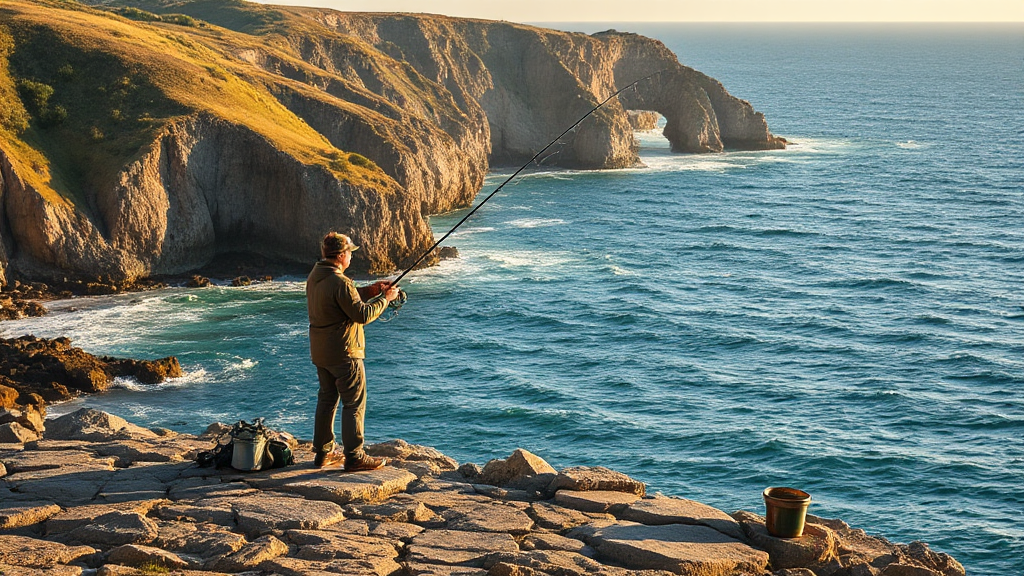
You are standing on a rocky point near Cascais, rod in hand, watching white water fold over the rocks below. A local angler walks past, glances at your setup, and asks one question: “Do you have your licence?” That single moment is where most beginners freeze. They came for the sea, the cliffs and the quiet, and they did not realise that fishing in Portugal comes with its own set of rules, rhythms and regional quirks. This guide answers the questions I hear most often from people picking up a rod for the first time on the Portuguese coast.
1. Do I actually need a licence to fish in Portugal?
Yes, for recreational sea fishing in mainland Portugal you need a licence issued through DGRM, the national directorate responsible for maritime resources. This applies whether you are casting from a beach, a rocky shore, a pier or a boat. The licence is personal, so each angler needs their own.
What surprises most beginners is how simple the application has become. You do not need a Portuguese tax number, and you do not have to navigate a government portal in a language you do not speak. Services like fishing in portugal exist precisely to handle that paperwork, typically in about three minutes, with payment by card, Apple Pay or Google Pay. If you are planning a trip and want to sort your fishing license before you arrive, that is the practical route most visitors take.
Fines for fishing without a licence are real and enforced, especially in popular areas during summer. Treat the licence as part of your gear, not an optional extra.
2. What gear do I need for a first trip?
You do not need a truckload of tackle. A medium spinning rod around 2.7 to 3 metres, a reel loaded with 20 to 30 pound braid, a selection of lead weights, hooks and a few lures will cover most shore situations.
For bait fishing, locals rely on sardine, mackerel strips, squid and prawns. A simple two-hook rig with a pyramid or grip lead works well on sandy beaches where the current pulls hard. If you are fishing from rocks, add a float and a longer leader to keep your bait above the snags.
Bring a landing net, pliers, a knife and a bucket. A headlamp matters more than you think, because the best bites often come in the last hour of light and after dark.
3. Where should a beginner actually fish?
Start where access is easy and the bottom is forgiving. Sandy beaches along the Algarve and the Lisbon coast are ideal. Places like Praia de Carcavelos, the beaches near Peniche and the long stretches around Faro let you cast without losing gear on every retrieve.
Rocky marks around Sagres, Ericeira and the Sintra coast produce better fish but demand more care. Waves arrive without warning, and wet rock is treacherous. If you are new, fish these spots in daylight, in calm conditions, and never alone.
Harbours and marinas are convenient but often restricted. Check local signs before you cast, because rules vary from port to port.
4. What fish will I catch, and when?
Portugal sits on a rich stretch of Atlantic coast, so the variety is genuinely impressive. From the shore you can expect sea bass, gilthead bream, European conger, mackerel, horse mackerel, mullet, sole and the occasional ray.
Season matters. Spring and early summer bring bass and bream close to shore. Late summer and autumn are prime for mackerel and horse mackerel, which chase baitfish in huge numbers. Winter slows the shore fishing but rewards boat anglers with conger and larger bream.
Tides drive everything. The two hours either side of high tide are usually the most productive, especially on a rising tide. Learn to read a tide table before your first session and plan around it.
5. What rules and etiquette should I know?
Recreational fishing in Portugal is for personal consumption, not for sale. There are minimum size limits for many species, and daily bag limits apply to some. Keep a small measuring tape and release anything undersized.
Respect other anglers. Do not crowd a mark, do not cast over someone’s line, and keep your spot clean. Leave no line, hooks or packaging behind, because discarded tackle harms wildlife and gives anglers a bad name.
If a fish is not going to be eaten, return it quickly and carefully. Wet your hands, support the body, and avoid holding fish out of the water longer than necessary for a photo.
6. Is night fishing worth it?
For many species, yes. Bass, conger and larger bream feed more confidently after dark, especially around structure. The trade-off is safety and visibility.
Use a headlamp with a red mode so you do not ruin your night vision. Fish with a partner if possible, tell someone where you are going, and check the swell forecast before you leave. A calm afternoon can turn into a dangerous evening on exposed rocks.
Keep your rigs simple at night. Fewer tangles mean more fishing time and less frustration in the dark.
7. What mistakes do beginners make most often?
The first mistake is skipping the licence. The second is fishing the wrong tide. The third is using tackle that is far too heavy for the species they are targeting, which spooks fish and reduces bites.
Another common error is ignoring the wind. An onshore breeze can make a beach unfishable and a rocky mark dangerous. Check the forecast, and if the wind is wrong, change your mark rather than fighting it.
Finally, beginners often give up too early. portugal fishing rewards patience. If you have not had a bite in an hour, move, change bait, or adjust your depth. Sitting still with the same rig is rarely the answer.
8. Your pre-trip checklist
Before you leave the house, run through this list. It takes two minutes and saves a lot of wasted sessions.
Licence sorted and saved on your phone. Rod, reel and line checked for damage. Bait and lures packed for the species you expect. Weights, hooks, swivels and leaders in your bag. Landing net, pliers, knife and bucket. Headlamp with spare batteries. Water, food and a basic first aid kit. Tide table and weather forecast reviewed. Someone knows where you are and when you will be back.
Get those items in order and you are ready. The Portuguese coast is one of the most rewarding places in Europe to wet a line, and it does not demand expensive gear or years of experience. It asks for preparation, respect for the sea, and a willingness to learn from every session. Start simple, fish safe, and let the coastline teach you the rest.